Not Orphans — Self-Reliant

According to UNICEF’s estimates, India is home to roughly  2.89 crore  orphaned, abandoned, and street-living children. These children are dangerously vulnerable to being pulled into begging rings, bonded labour, various crimes, and human trafficking. Deprived of education, their childhoods are stolen from them, and their futures are pushed into darkness.

Alongside this, India has an estimated  1.8 crore  extremely destitute and homeless people — men and women living on streets and in public spaces without any care or support. They are among our country’s most overlooked citizens, living without basic human dignity while facing numerous physical and mental hardships.

In response to this deeply serious situation, Dr. K. R. Shroff Foundation (KRSF), together with Pune’s  Maza Ghar Foundation , is undertaking a new initiative: building a mega dignity and empowerment campus near Lonavala, close to Pune. This campus will include a school, a hospital, and every necessary facility — designed to provide safe and dignified lives to an estimated  4,200 beneficiaries .

The purpose of this campus is to offer helpless, destitute people care, rehabilitation, and long-term support with genuine humanity and dignity — and, at the same time, to help orphaned and street children become self-reliant through education and vocational training, so they can rejoin mainstream society with pride and dignity. This effort aims to mark the beginning of hope, self-reliance, and lasting positive change for generations to come.


Don’t Give Us Sympathy — Give Us Opportunity

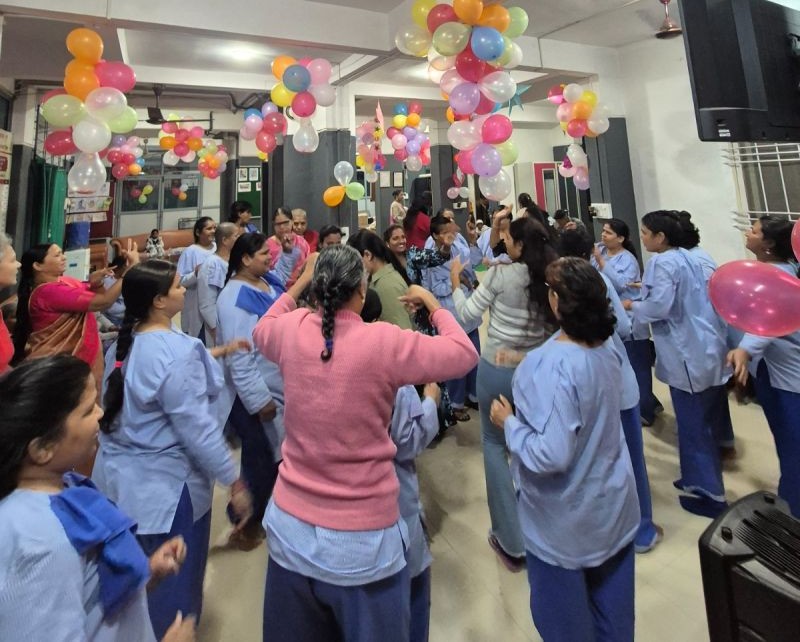
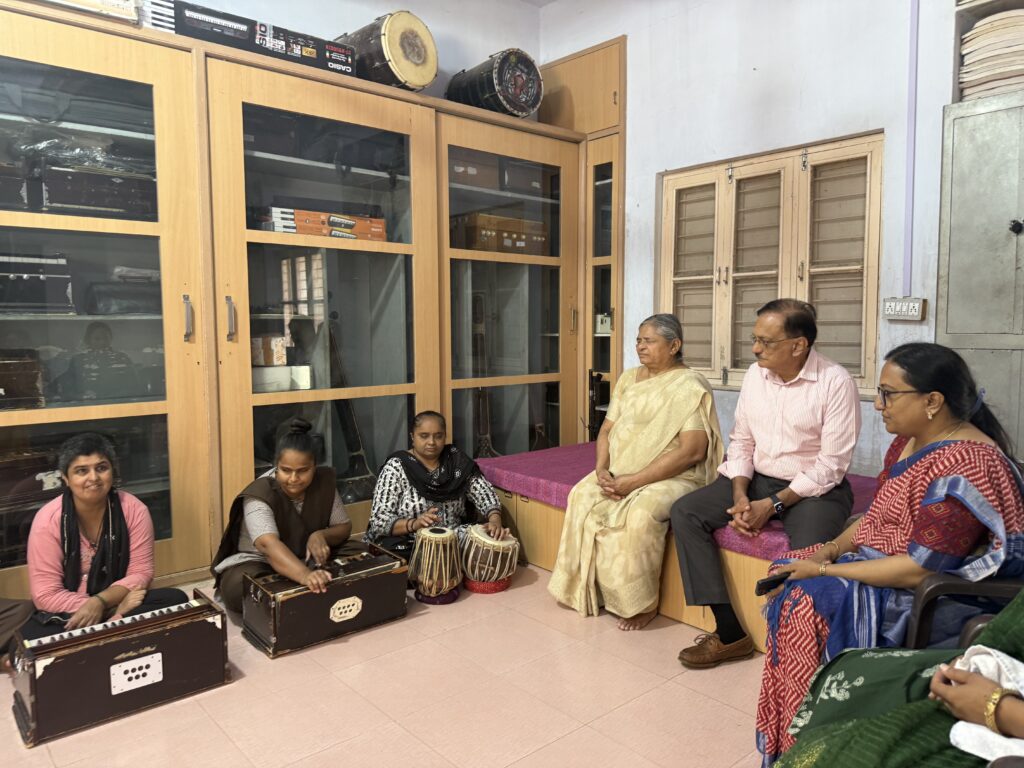
Shree Pragnachakshu Mahila Seva Kunj is an organisation doing important, selfless work in education, training, and rehabilitation for blind women and women from underprivileged backgrounds. What sets this organisation apart is its guiding philosophy: instead of keeping women dependent on sympathy alone, it equips them with the skills and opportunities they need to stand on their own feet.

Through computer training, handicrafts, and various self-employment training programmes, the women here build self-confidence and self-respect — qualities that let them live dignified lives within their communities.

KRSF’s involvement here goes beyond financial support alone. To help the organisation grow sustainably over the long term, we provide guidance, planning, and direction — infrastructure development, modern training facilities, and the equipment needed to strengthen the institution further. For KRSF, this partnership isn’t a matter of obligation. It’s a trust-based collaboration, where both sides move forward together.

When blind women build their own income through education and training, the impact reaches well beyond their individual lives. That income supports their families, strengthens their children’s futures, and spreads a message of self-reliance through the wider community. The self-confidence that grows in these women becomes a genuinely positive force for change — one KRSF has been proud to keep encouraging.

Given how quickly technology and employment opportunities are changing, equipping blind women with modern skills has become more important than ever. In this direction, KRSF is working to connect the organisation with new training methods, digital tools, and market access — so that after training, the women have the right markets, the right guidance, and fair value for their work.

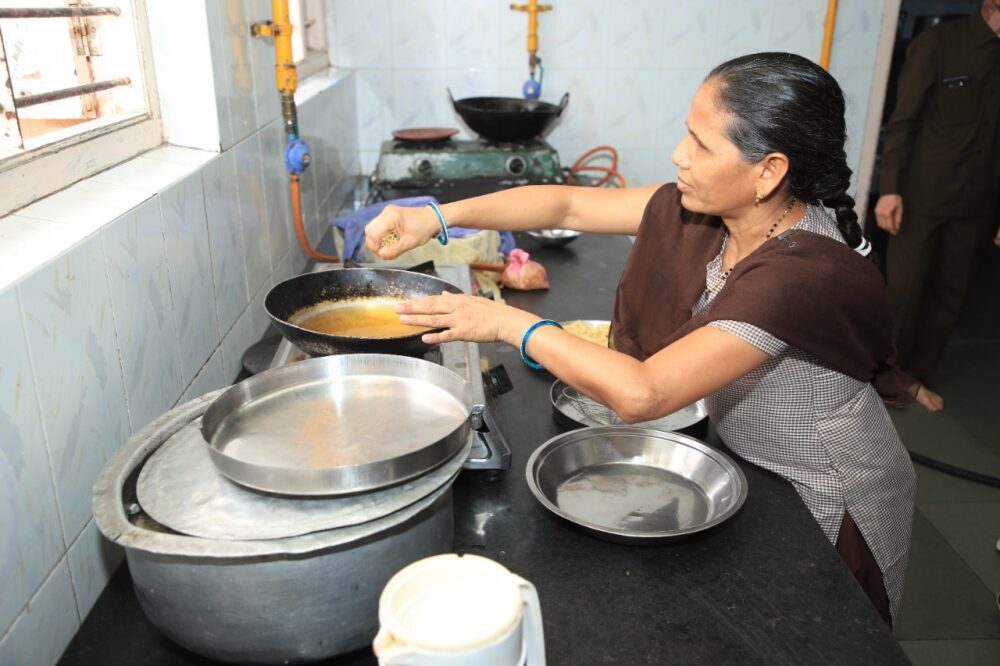
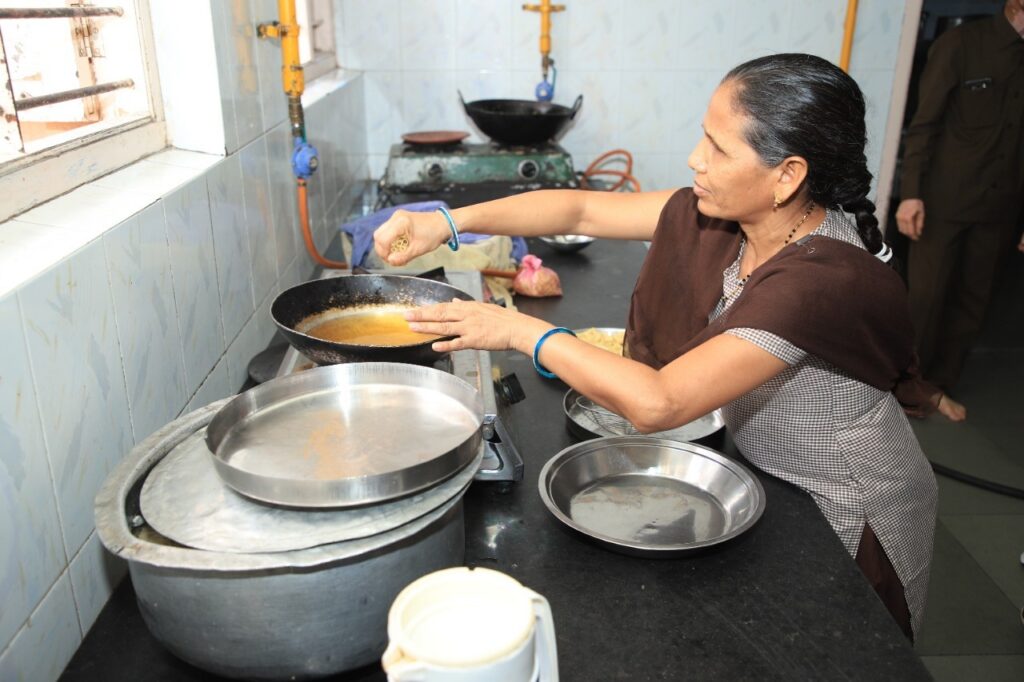
For KRSF, this entire effort reflects a deep social commitment. Understanding an organisation’s real needs and offering the right support at the right time — that’s our approach. This philosophy makes the collaboration more effective and its impact longer-lasting. When service is carried out with understanding, empathy, and cooperation — and when even a blind daughter can cook a meal without hesitation — its value multiplies many times over.

Going forward, KRSF will continue standing shoulder to shoulder with Shree Pragnachakshu Mahila Seva Kunj. With the right support and guidance, our shared goal is to help build an empowered, self-reliant society — one small, well-directed step at a time.

KRSF — Dr. K. R. Shroff Foundation — remains committed to empowering society’s most vulnerable and overlooked communities. Our belief is simple: true social service isn’t limited to financial support alone. Direction, guidance, and human empathy matter just as much. With this belief, KRSF continues to work alongside many social organisations, striving for positive, lasting change in society.

She Lost Six Lakhs to Fraud — And Rebuilt Anyway

Some journeys in life look completely ordinary from the outside. From the inside, though, they quietly reshape a person into someone new.

kunjal Bhavsar’s journey has been exactly that kind of slow, steady transformation. Her educational path took her from a B.Com degree all the way to an MBA — and along the way, she developed something more valuable than the degrees themselves: sound decision-making, an understanding of the value of time, and genuine confidence in her own abilities. Education built in her a lasting sense of discipline and consistent effort.

After finishing her studies, she worked across corporate, academic, and banking environments. These varied experiences gave her a close, practical understanding of systems, responsibility, and financial discipline. One thing became clear to her through all of it: if a person holds on to honesty and balance, any environment will eventually accept them.

Motherhood turned out to be the most delicate — and, in its own way, the most strengthening — chapter of her life. Amid responsibility, exhaustion, and self-doubt, a new inner strength was born. With her family’s support, she stayed emotionally grounded through this period.

Deciding to start a business just a year after her daughter’s birth was not an easy call. Entrepreneurship comes with daily uncertainty and challenge. Even so, she chose the path of steady, patient effort.

Then came the hardest moment of this entire journey: Kunjal became the victim of a financial fraud amounting to six lakh rupees. It was the kind of blow that could break someone mentally — for a moment, it felt as though everything had simply stopped.

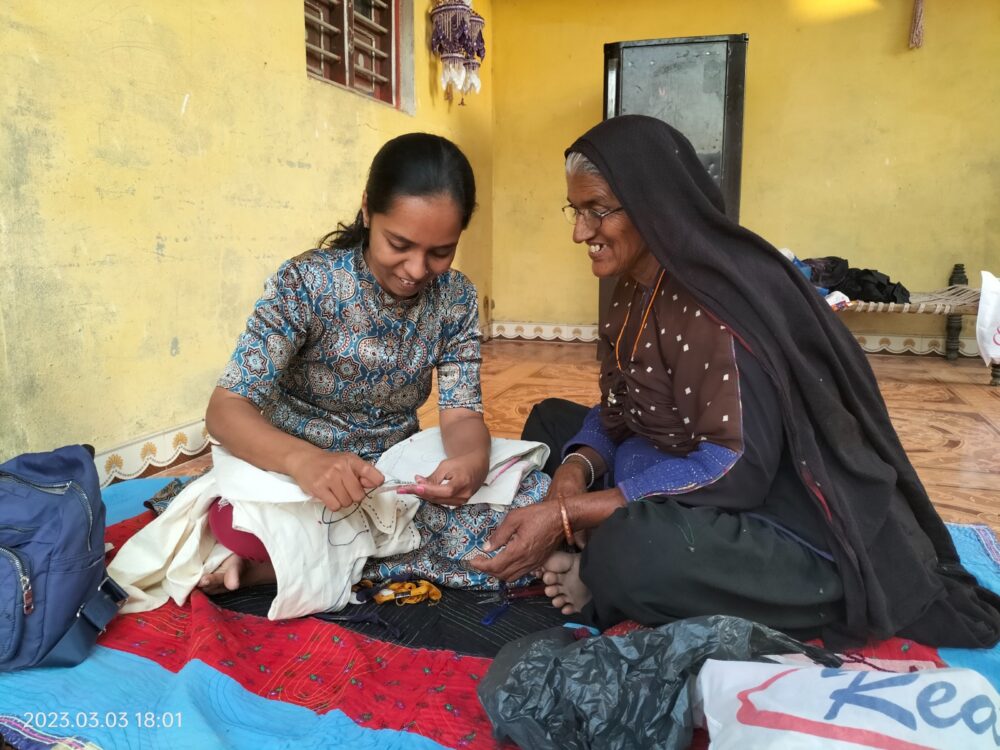
It was during this exact period that Dr. K. R. Shroff Foundation (KRSF) and Kaarigar Clinic became her real anchor. KRSF supported her with genuine humanity, and through the right guidance, trust, and consistent backing, Kajal found her footing again — and took her brand to new heights.

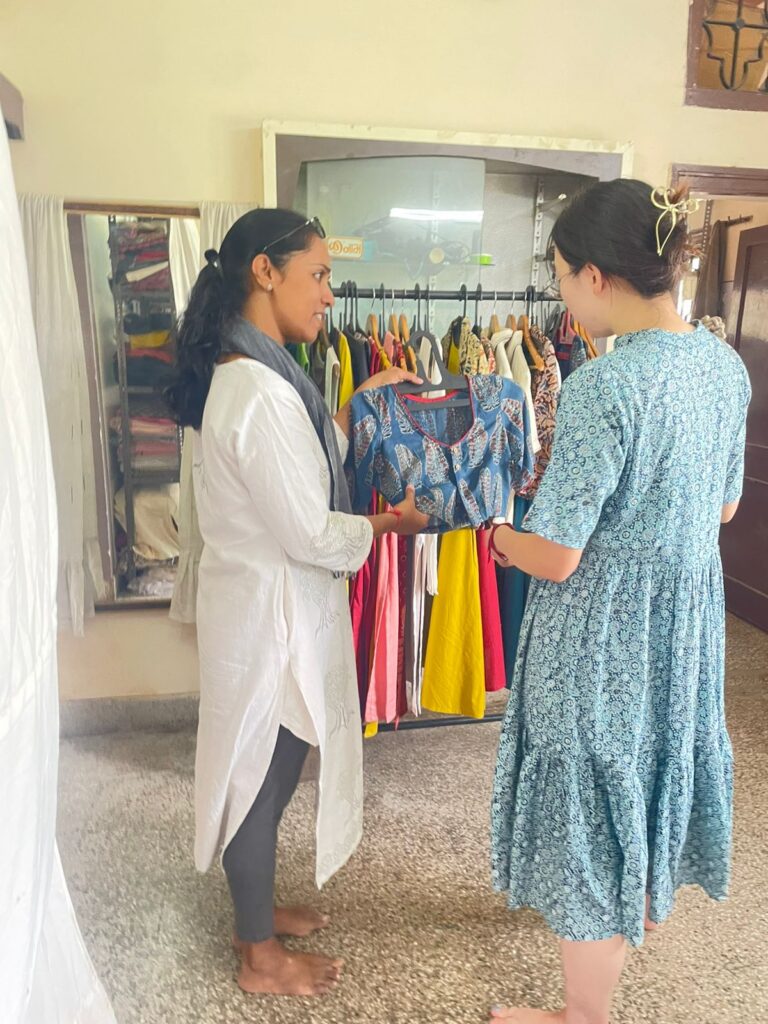
Today, Kunjal Bhavsar is the founder of  “Hands of Kutch,”  working closely and personally with artisans and women across Kutch. With KRSF’s support, her journey restarted — and came back stronger than before. This isn’t a story about success alone. It’s a true story about trust, support, and transformation.

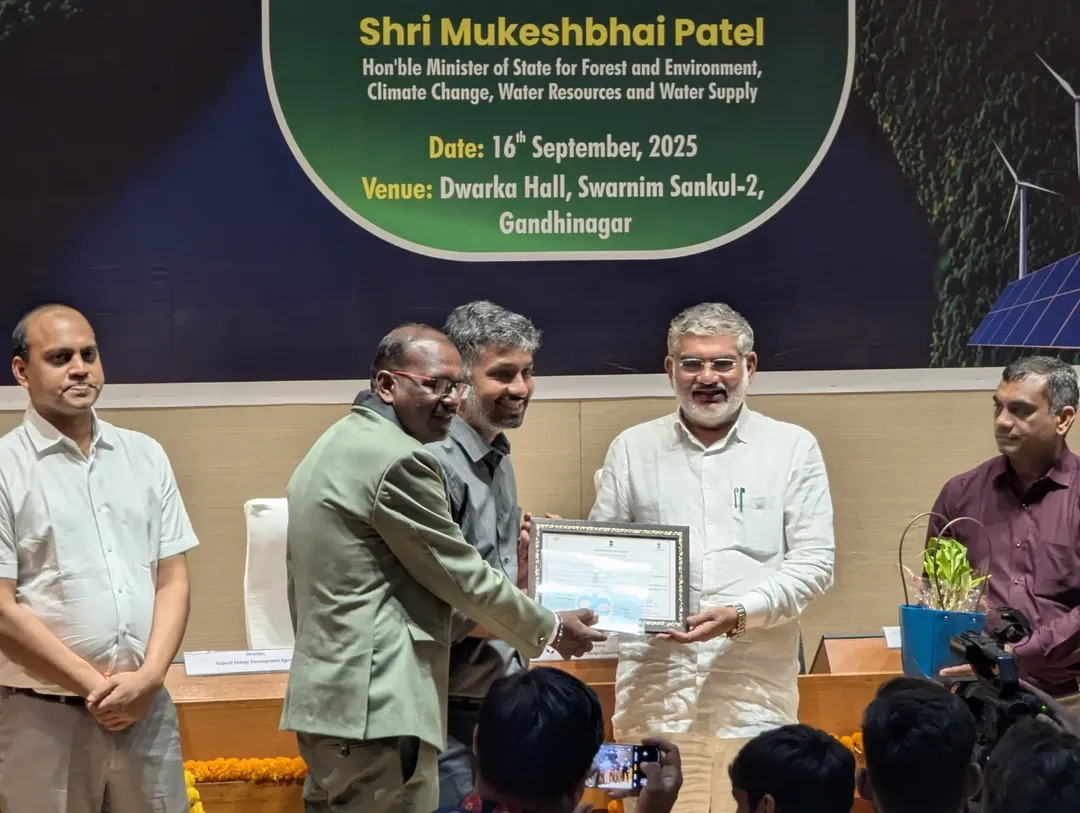
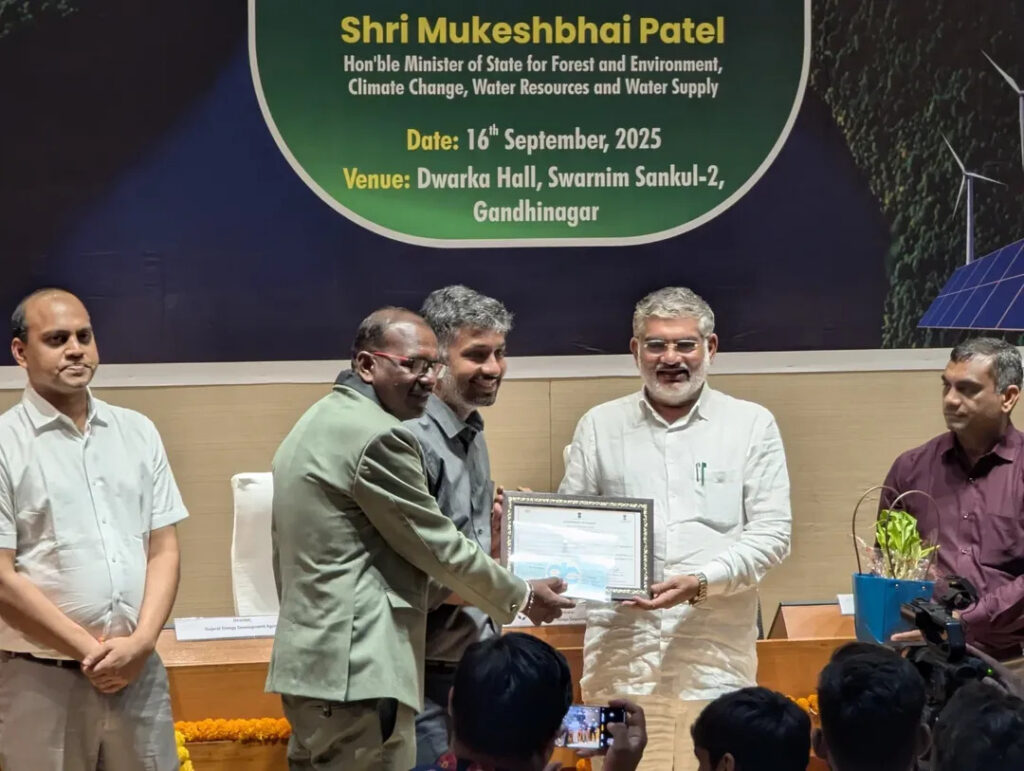
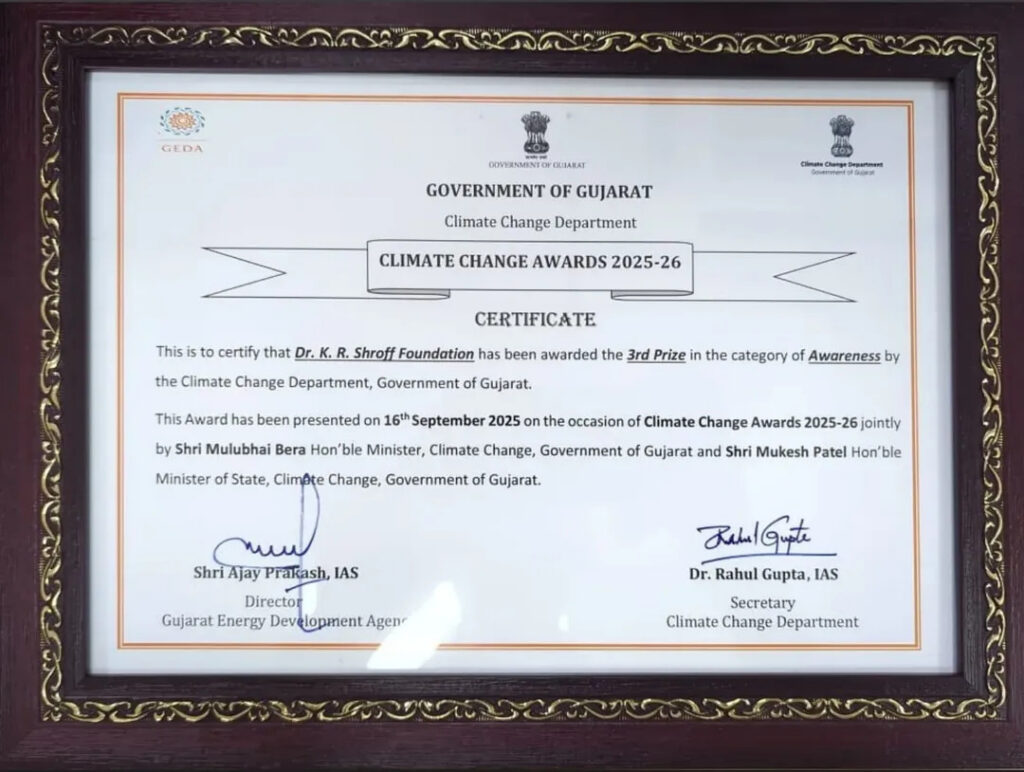
One More Feather in Our Cap: KRSF Recognized for Climate Action

Recognition from Gujarat’s Climate Change Department and GEDA is an intensely proud moment for us — one made possible through the continued support of Gujarat’s Education Department and Forest Department.

This honour, given for years of sustained work in environmental protection, has brought fresh energy and motivation to our entire team. A journey that began with one small vision years ago has, through this recognition, grown into something more solid and deeply rooted than we imagined.

Every effort made in the fight against climate change matters — no contribution is too small to lead to meaningful change — and this recognition has only deepened our belief in that.

Behind this environmental work stands the dedication of our whole team, and one contribution in particular deserves specific mention: Girish Prajapati’s commitment and tireless effort have made this journey far more meaningful. Alongside him, we’re deeply thankful to our partner VSSM and every well-wisher who has stood with us along the way. This achievement was not possible without everyone’s unwavering belief and cooperation — it belongs to all of us together.

For KRSF, protecting the environment isn’t just an obligation — it’s a duty owed to the generation that comes after us. We believe that caring for nature shouldn’t remain just a thought; it needs to become part of daily life itself.

This milestone pushes us forward with renewed energy, confidence, and resolve — toward sustainability and greener days ahead. To everyone who has walked this path with us: thank you, from the heart.

As the closing thought puts it: air, water, and greenery are the truest markers of real development. Nature doesn’t belong to us — we belong to nature. And it’s only once we truly understand that, that real change follows.

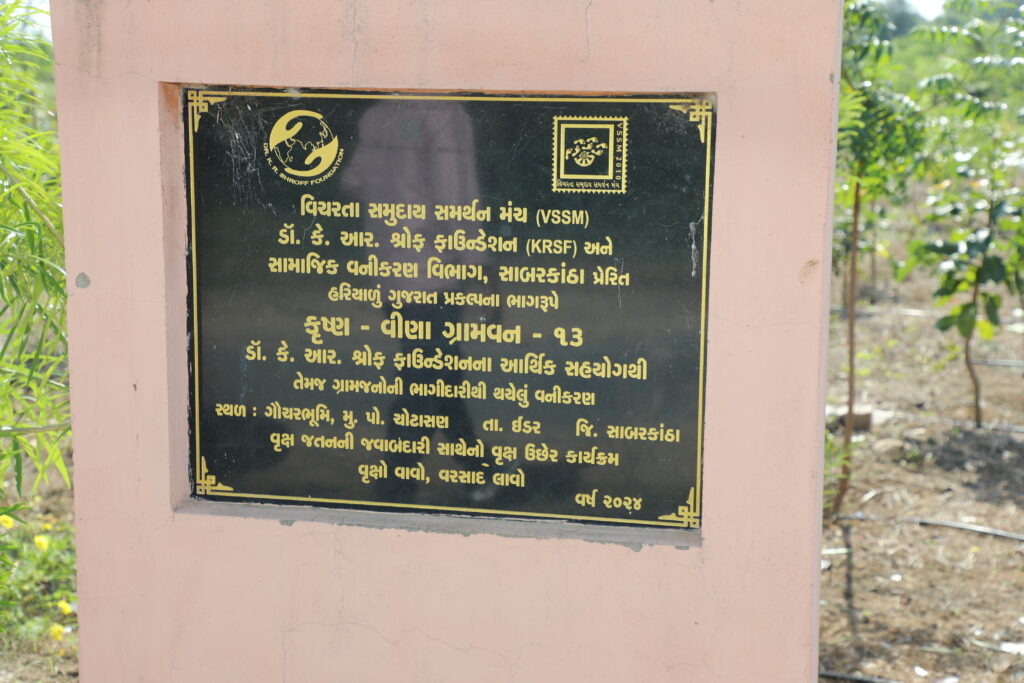
A Living Classroom: Children Learn Trees by Name in Our Gramvan

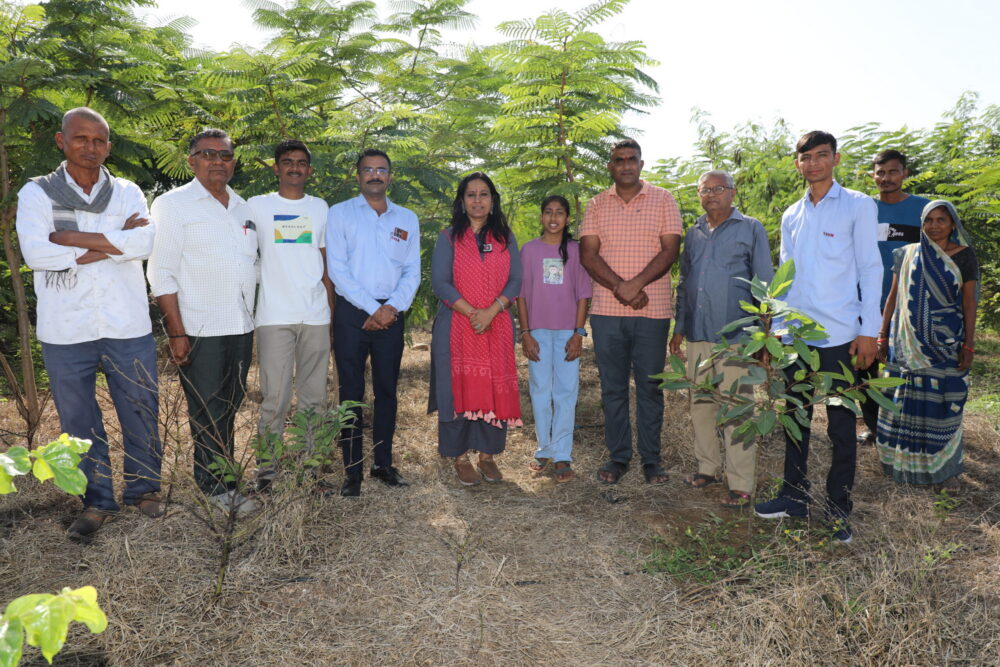
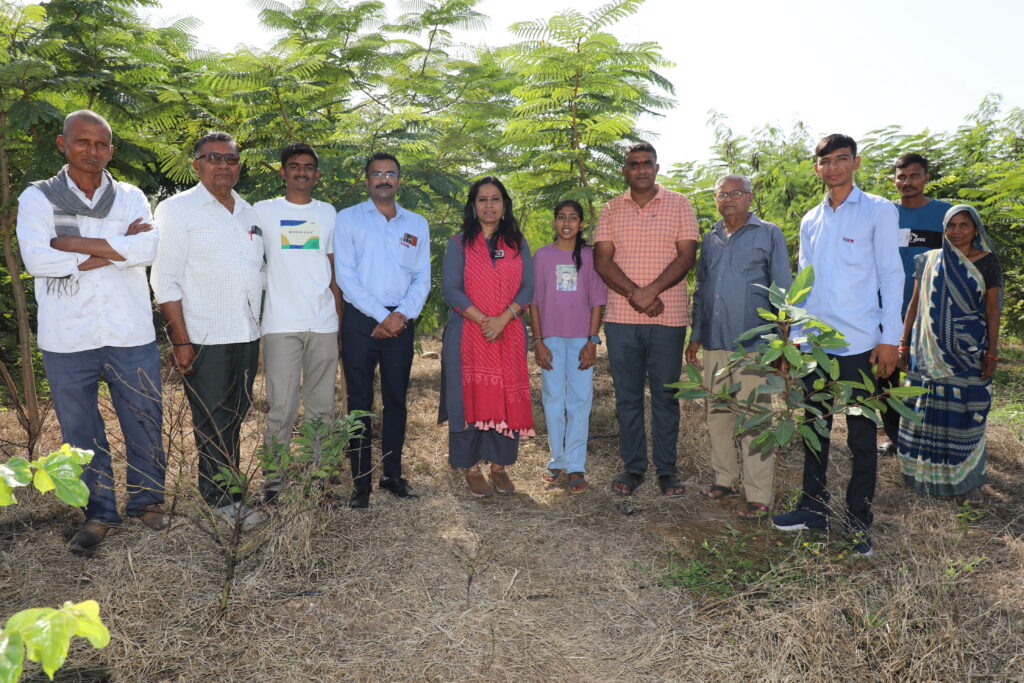
“You helped us build this Vriksha Mandir — this Gramvan — and more than 5,300 trees are now flourishing here. We have over 45 different species growing on this land. Our school children come here on trips. They come and learn to identify the trees.”

That’s how Jagdishkaka, from Chotasan village in Sabarkantha district, described the Gramvan (village forest) that now stands where degraded grazing land once was. Hearing this from him was genuinely heartening for our team — the whole point of this effort was to help the next generation grow up recognising and valuing trees, and that purpose is clearly being fulfilled.

Chotasan’s young sarpanch, Chetanbhai, has been personally committed to nurturing these trees. In 2024, he invited us to raise a Gramvan on the village’s own land — land that had been overrun with gaando baval (invasive prosopis scrub) and left as unused grazing ground. With support from Dr. K. R. Shroff Foundation, VSSM took on the work of clearing that land and planting trees across it.

The village handled the site clearing and arranged for water supply; on our side, trees were planted and a designated “vriksha mitra” (tree-friend) took charge of their upkeep. Beyond that, the village took on full responsibility itself. As VSSM field workers Tohidbhai and Maheshbhai put it: “If we get more sites like this, imagine how much we could achieve. We don’t even need to visit regularly — the village takes care of it on its own.”

There’s an ambition to replicate this in Sabarkantha the way it’s been done in Banaskantha, and the intent is strong — if more villages come forward as genuine partners, this kind of meaningful work can take root in many more places.

Beyond the trees themselves, the Gramvan has quietly become something else too: a home for thousands of birds and voiceless creatures who now have somewhere to live. We remain grateful to VSSM’s founder, Mittal Patel, whose commitment has made Gramvans like this one possible — with more to come.

As one caption from the site puts it simply: the height of these trees has grown to twice the height of the people who planted them.


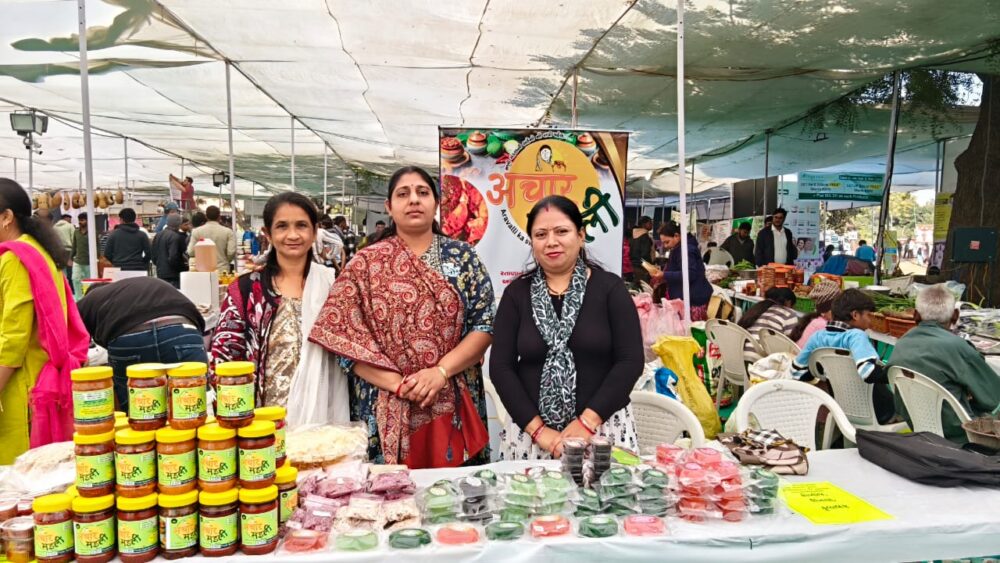
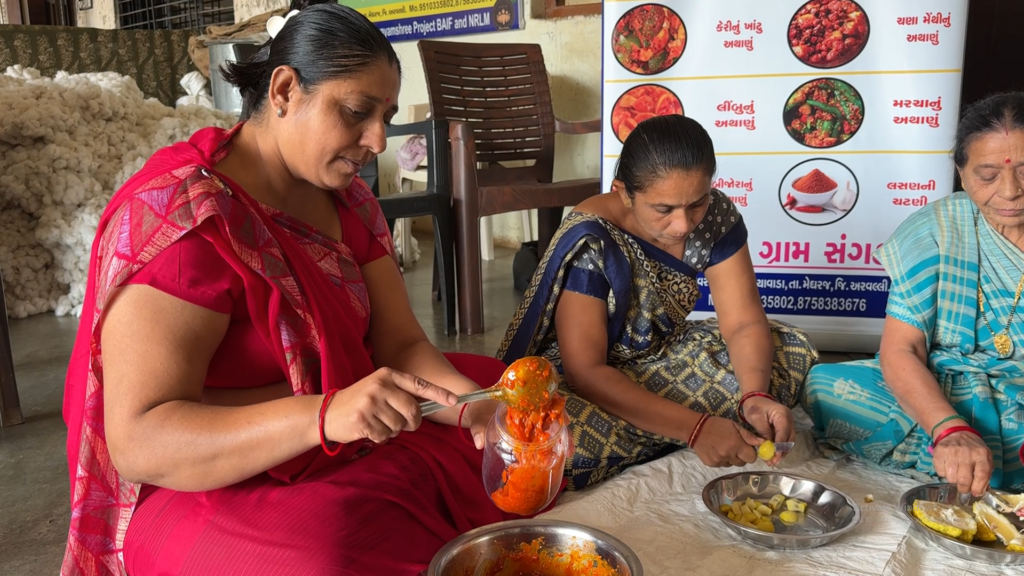
How a Home Kitchen Turned Arpitaben Into a “Lakhpati Didi”

Arpitaben Patel, from Shivrajpur Kampa village in Meghraj taluka, Aravalli district, once limited her days to housework alone. But somewhere inside her, there was always a quiet ambition to do something more with her life. That ambition finally found direction the day she connected with KRSF — and her life changed from there.

KRSF didn’t just encourage her to start a business — it helped her see the business that was already sitting in her own kitchen. Arpitaben had a traditional skill for making pickles, passed down the way such skills usually are, without ever being treated as something commercial. KRSF’s guidance helped her turn that skill into an actual enterprise.

She began making pickles and chutneys from home, with her whole family pitching in. All through the year, she prepares pickles from mango, lemon, chilli, tamarind, sweet potato, elephant foot yam, and more — turning seasonal produce into a steady product line.

Through the joint efforts of KRSF and Kaarigar Clinic, Arpitaben received training in business management, marketing, mindset development, and market exposure — the practical skills that took her from “making pickles at home” to “running a pickle business.”

Her success didn’t stay contained to her own household. It inspired other women to join in too. Slowly, a women’s collective took shape, and the group came to be known as  Jai Saraswati Sakhi Mandal.

The quality of their chutneys and pickles has earned them strong demand in the surrounding areas, with customers regularly praising the taste and consistency of their products. Arpitaben now holds an even bigger ambition — to see her pickles and chutneys reach customers in different countries.

In recognition of her enthusiasm, hard work, and dedication, she received the  “Lakhpati Didi”  honour under a Central Government scheme.

This recognition isn’t only about Arpitaben. It’s a source of inspiration for thousands of women like her — women writing their own history, starting right from their own kitchens. Through the collaboration between KRSF and Kaarigar Clinic, the story of one ordinary household’s sister has today become an inspiration for crores.

As the saying goes — where women are empowered, society thrives. Arpitaben’s journey is a living example of exactly that.

Free at Last From the Weight of Interest

There’s a particular kind of exhaustion that comes from debt that never seems to shrink — where every rupee borrowed just to survive turns into a heavier rupee owed later. Ajaybhai knew that exhaustion well.

Ajaybhai and his brother had little formal education between them and made their living through scattered daily-wage work. Making ends meet at home was hard enough on its own. But it was the moments in between — when an urgent need forced them to borrow money at high interest — that made life genuinely difficult. The interest on those loans would pile onto an already stretched household, making the road ahead even harder to walk.

Through the funding KRSF provides to VSSM, people are able to access interest-free loans to start a small business of their own. When Ajaybhai learned about this, he approached VSSM’s field worker, Sunilbhai, for applying.

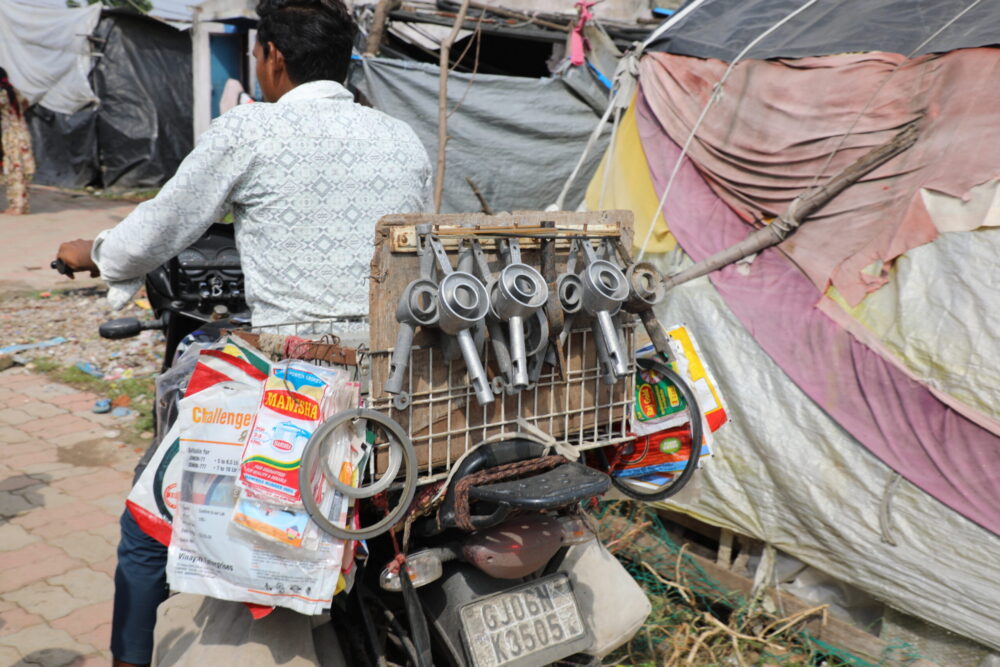
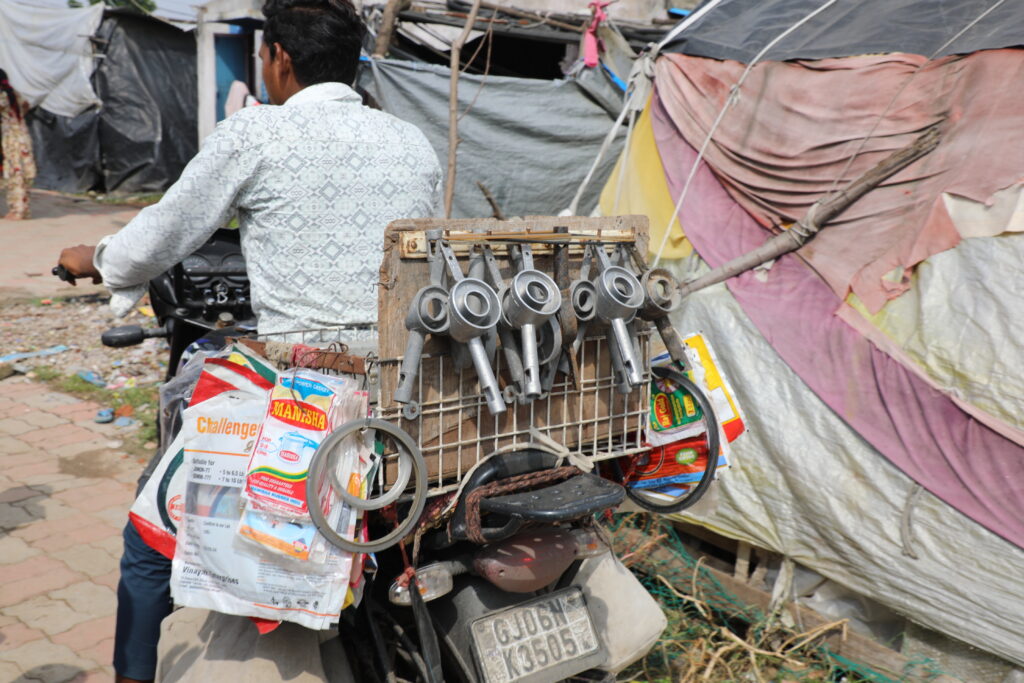
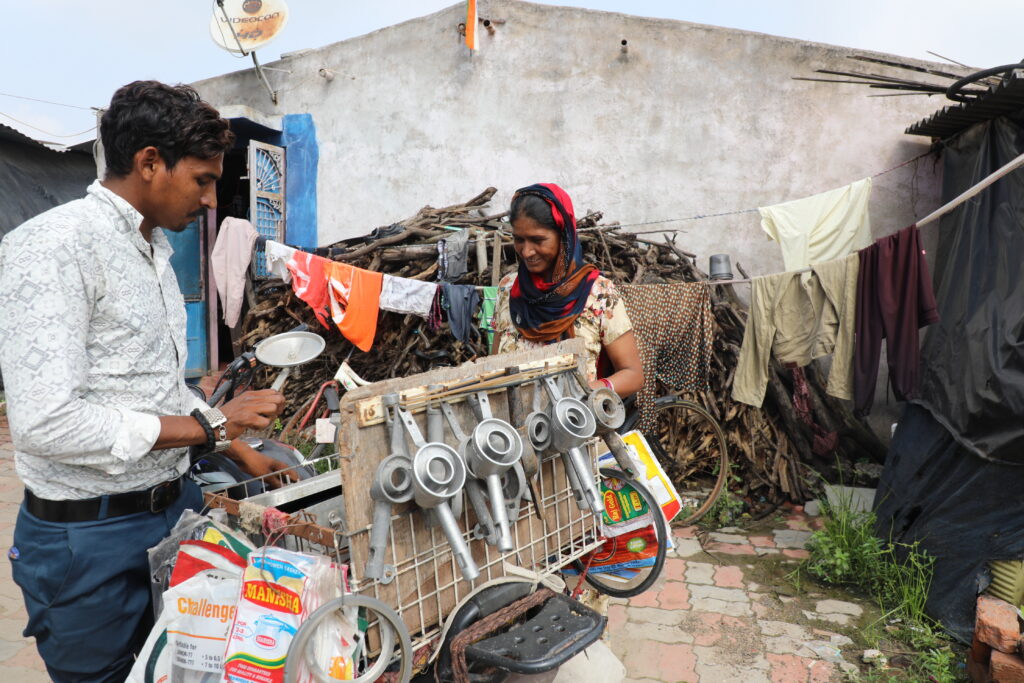
He and his brother had already picked up a practical skill — repairing gas stoves and mixers. With an interest-free loan through the KRSF–VSSM self-reliance program, they were able to properly start that work as a business. Steady effort paid off, and today Ajaybhai earns between ₹500 and ₹700 a day with ease.

He puts it simply, and with visible pride: “If KRSF and VSSM hadn’t stepped in, life would have become very difficult. Earlier, if we borrowed ₹30,000 on interest, we’d have to pay back ₹50,000. Now we’ve stopped borrowing on interest altogether. Sunilbhai taught us how to save, and our life has genuinely improved.”

What stands out just as much as his own turnaround is what he’s chosen to do with it. Ajaybhai now donates ₹100 every month to VSSM, and says, “My wish is that very soon, I’ll be able to give ₹200 every month, consistently.” It isn’t a large sum in absolute terms — but the spirit behind it is priceless. Give where you can, to those who need it more than you do.

KRSF takes real pride in the fact that this funding-driven program has helped thousands of people like Ajaybhai move steadily toward genuine self-reliance. As the team here often says: may we keep being placed on this path of service — that’s the only prayer that matters.

The One Who Returns by Evening Was Never Really Lost

There’s an old saying: someone who strays in the morning but comes home by evening was never really “lost” at all. It could have been written for Chandubhai.

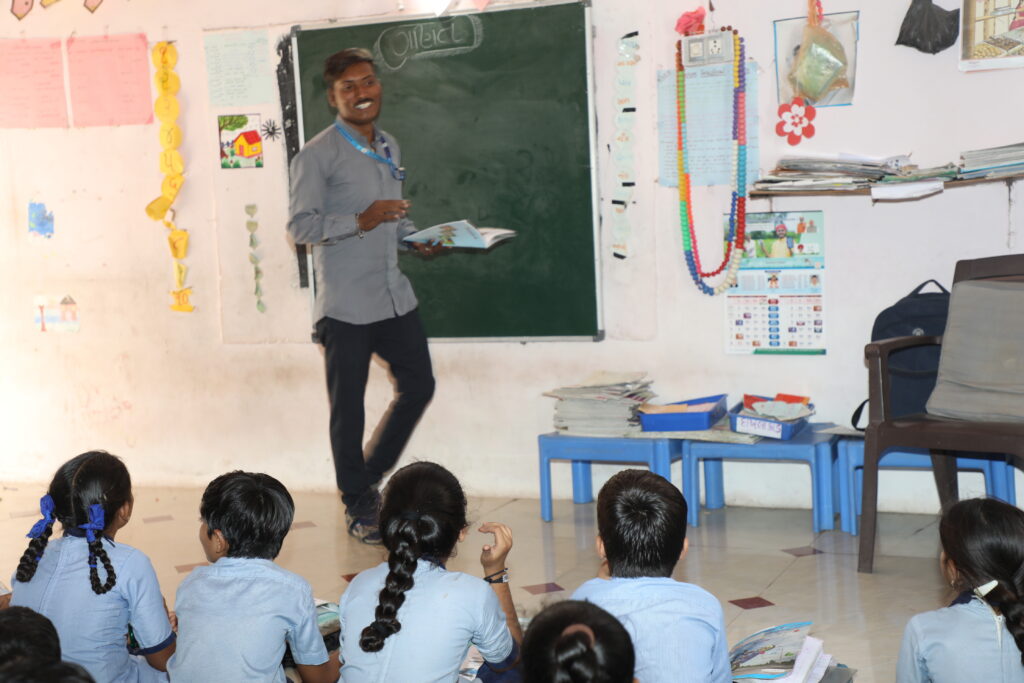
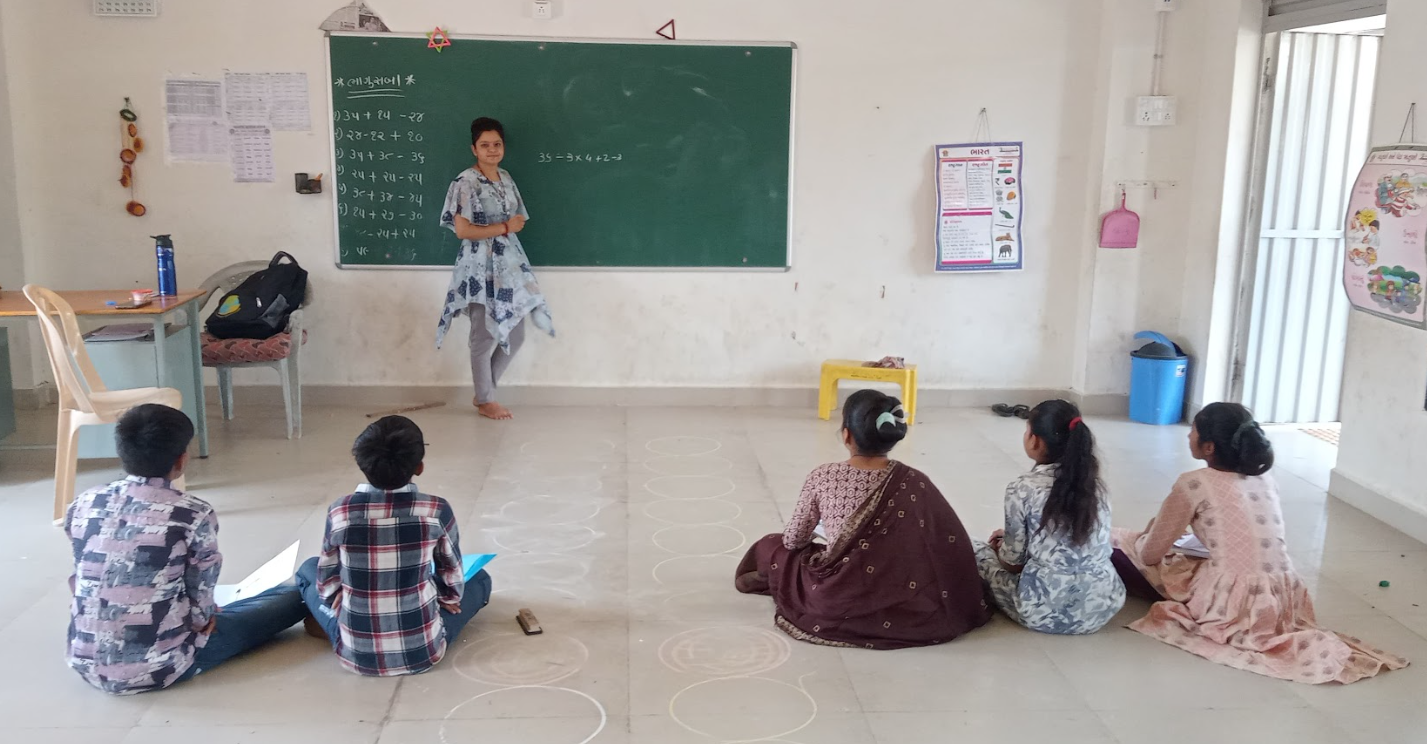
Chandubhai is one of our supplementary teachers in Chambhadiya village, Gadhda taluka. He joined KRSF before the pandemic, and it didn’t take long for him to become the kind of teacher every child hopes for — the one who makes reading, writing and arithmetic feel less like chores and more like discovery, while quietly weaving in lessons on hygiene and health along the way. Children loved how he taught, as much as what he taught.

Then COVID hit, and like so many people during that period, Chandubhai found himself unsettled. He worried — reasonably — about what the future held, and for personal reasons, he stepped away to try something else.

It didn’t fit. From his very first day at the new job, the working style and the rules felt wrong. Discontent turned into restlessness, and restlessness turned into a nagging question that wouldn’t leave him alone: what if he went back, and there was nothing to go back to? Even though his heart clearly wasn’t in the new work, he kept at it for a while, unsure of his next move.

Eventually, he found the courage to be honest. He spoke openly with our cluster head about what he was feeling. We listened — really listened — and welcomed him back with trust and warmth, no hard feelings attached.

The Chandubhai who returned was a different, energized version of himself. New enthusiasm, new drive, real grit. His sense of ownership over his work, and over the children he taught, earned him a promotion to Team Leader.

He has a philosophy about it now: KRSF’s rules, discipline, and core values might look, at first glance, like a chain — something restrictive. But in practice, he says, that “chain” doesn’t bind a person down. It shapes them, in the same way values shape a person’s overall growth — and that growth strengthens the future of the children too.

For our team, his journey is a source of quiet pride. It’s proof that KRSF’s work was never only about hitting project targets. It’s about a structure — built on transparency and values — where every individual’s growth is placed right at the centre, alongside the children’s.

The Girls’ Safety Squad: Does Your School Have One?

Here’s a question worth sitting with: have you ever noticed an obstacle on the road you take every day — and instead of removing it, you just… started taking a different road?

Most of us do this constantly. It’s the easier option.

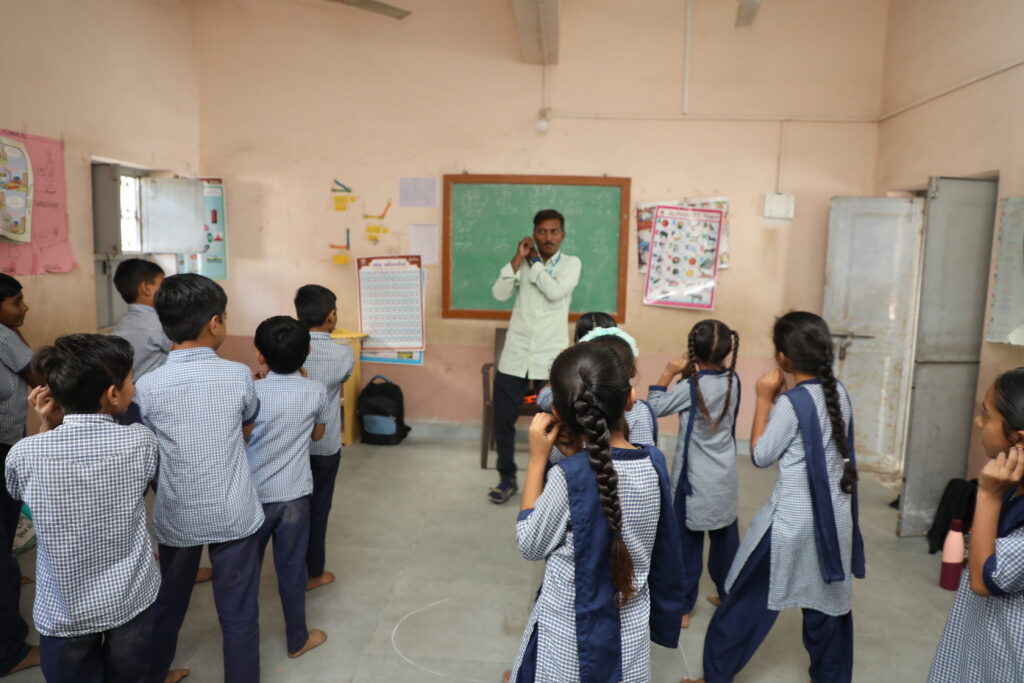
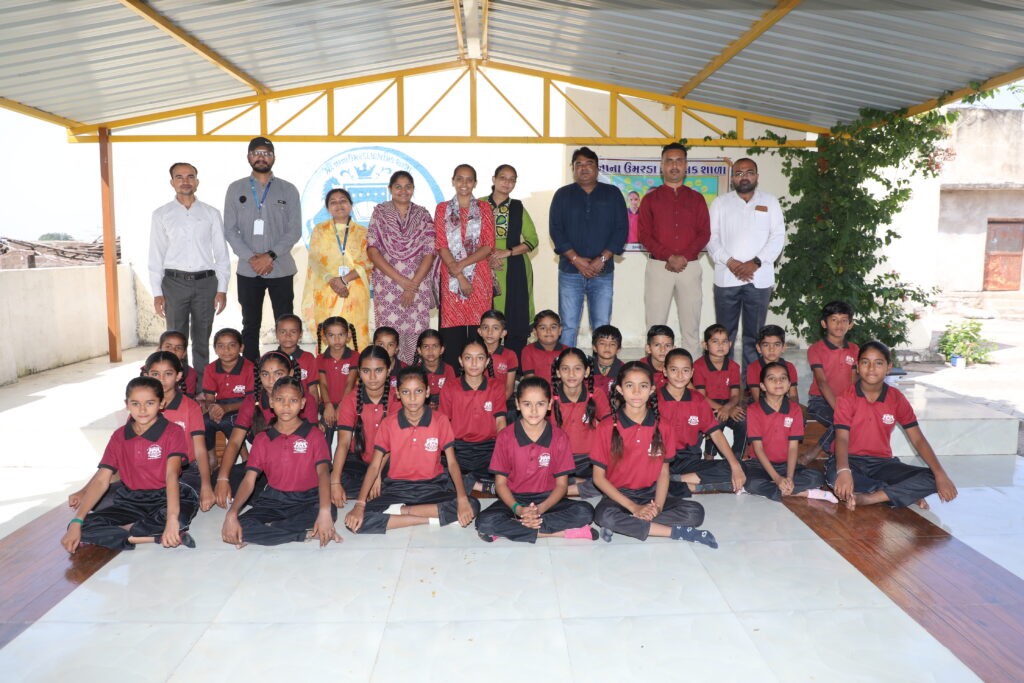
Two of our supplementary teachers in Nana Umarda village, in Gadhda taluka of Botad district, refused to take the easier option — and what came out of that refusal is a small but powerful idea every school should hear about: a “Kanya Raksha Dal,” a girls’ protection squad.

It started with a puzzle that was quietly getting worse. The village school had a shortage of teachers to begin with, and our two supplementary teachers stepped in to close that gap. But they noticed something troubling as the months went by: the number of girls in class was shrinking. Slowly, steadily, fewer and fewer girls were showing up.

They went to the parents. Conversations, visits, questions — and nothing conclusive came of it. No one would say plainly why the girls were disappearing from the classroom.

So the teachers changed their approach entirely. Instead of asking why the girls weren’t coming to school, they started meeting the girls where they already were — going out to play with them, every day, bringing toys and games along. Slowly, real friendships formed. The girls looked forward to these visits. And eventually, the teachers gently redirected that daily playtime toward the school itself, trimming the outside games bit by bit until school became the new meeting point.

It worked. But the deeper problem hadn’t gone anywhere — and the truth, when it surfaced, went well beyond bad attendance. In conversations with the community, it became clear that safety was at the root of it. Parents were afraid to send their daughters to and from school.

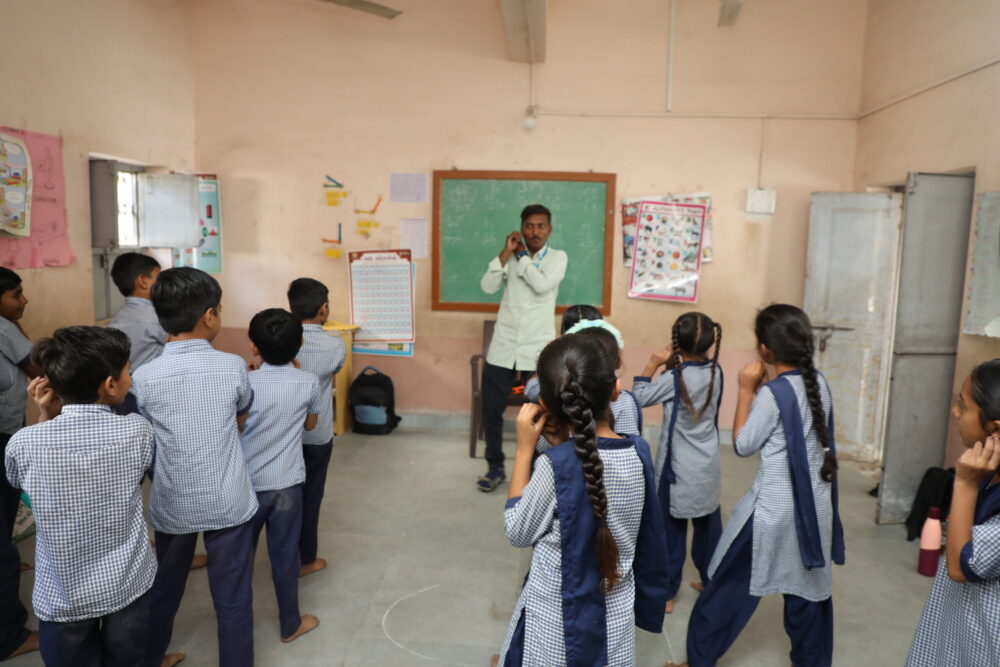
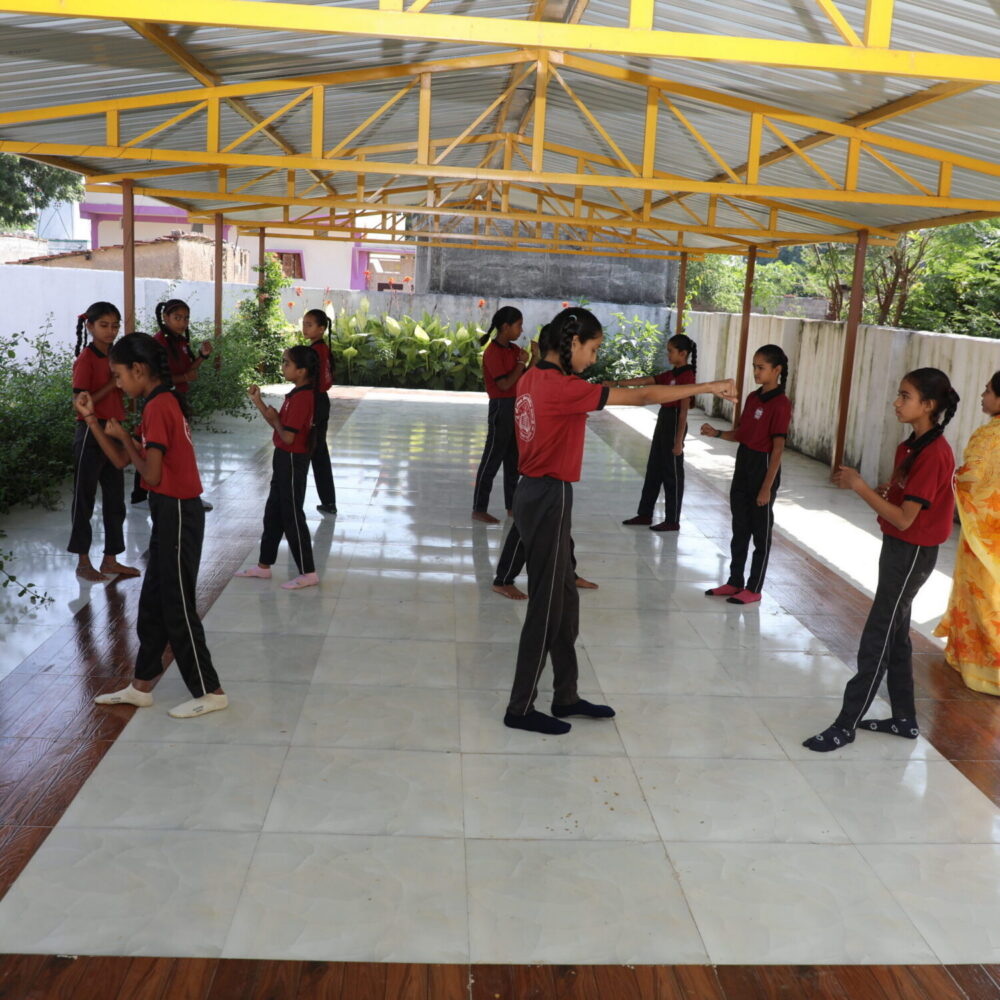
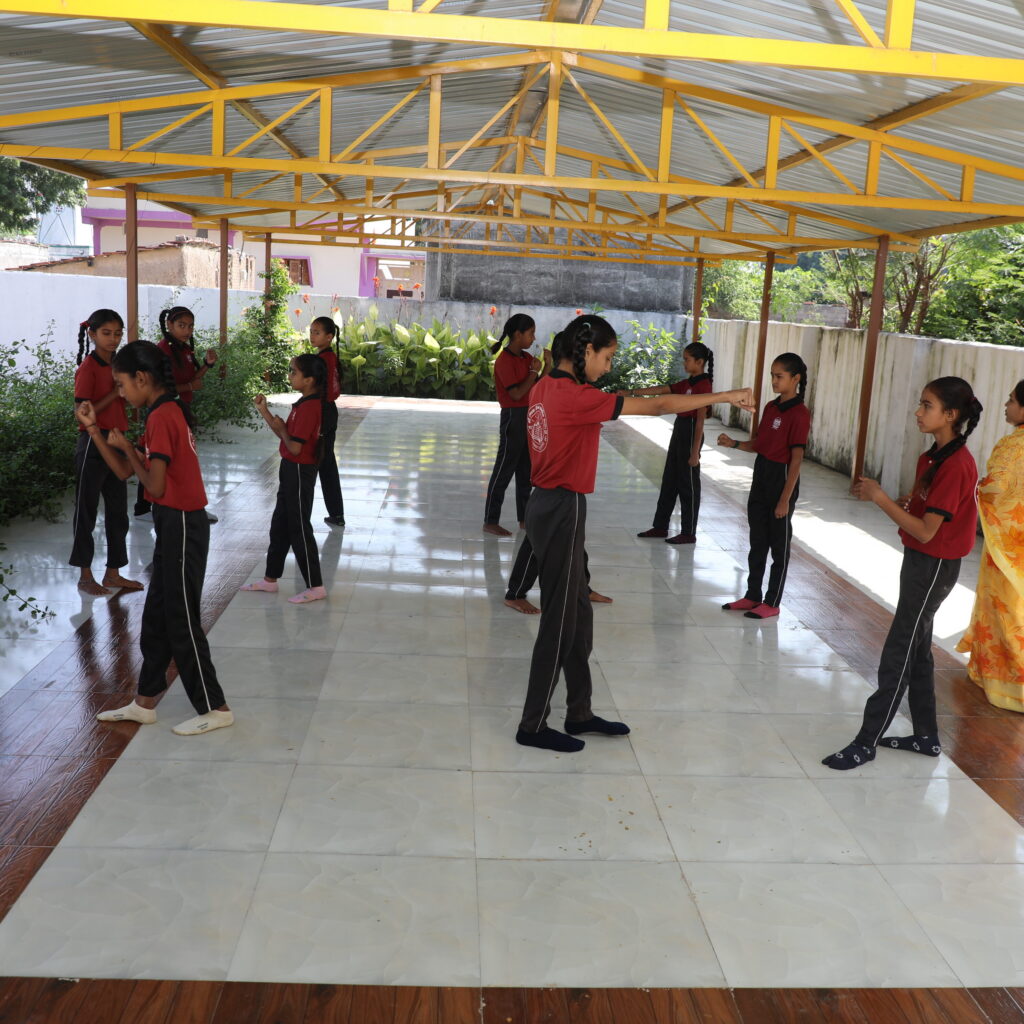
That’s when the fight truly began. One of our teachers, Divyarajsinh, had already completed NCC training. When the school’s own principal, Shri Rajdipsinh Gohil — who had left a career in the police force to become a headmaster — heard about the idea, he backed it immediately. Together, they started training the girls to defend themselves, and gave the initiative a name:  Kanya Raksha Dal.

Today, in that same school, the number of girl students has overtaken the number of boys — a complete reversal of where things stood before. It’s the kind of turnaround that doesn’t happen because of a policy memo. It happens because two teachers refused to shrug and change their route, and chose to clear the obstacle instead.

So — does your school have something like this? Maybe it should.

Fifteen Students. One Exam. One Hundred Percent Success.

If fifteen students appear for the NMMS examination and every one of them passes, the scale of effort behind such an outcome is self-evident.

In Babra taluka of Amreli district, the Foundation has built a consistent educational impact over the last three years. KRSF runs academic programs in twenty-three schools in the taluka. Among these, five schools conducted targeted coaching for the National Means-cum-Merit Scholarship (NMMS) exam:

– Taluka School
– Amarpara Plot School
– Nanikundal Primary School
– Shirvaniya Primary School
– Navaniya Primary School

Fifteen students from these schools underwent systematic preparation. The outcome: all fifteen passed, delivering a perfect 100 percent result across all five schools.

Such results do not appear without structure. The teachers executed an intensive plan. They extended coaching beyond regular hours. Before the official school day began at 9:30 a.m., they ran early-morning sessions. They used recess for continued guidance. Any free period became an opportunity for reinforcement.

Teachers conducted regular tests aligned with the Foundation’s curriculum. They created their own sets of MCQs, refining the students’ understanding of exam design, question patterns, and time management.

A dedicated NMMS group was formed for Babra taluka. Teachers and students used it to raise questions, clarify doubts, and resolve academic problems quickly. This continuous feedback loop strengthened performance.

The underlying principle remained constant: બાળક સૌપ્રથમ. The teachers worked with precision, intent, and a refusal to compromise on outcomes. The result mirrored the discipline. A complete success rate across all participating schools.

NMMS

૧૫ વિદ્યાર્થી NMMS પરીક્ષા આપવા બેસે અને બધા જ પાસ થાય તો કેવી મહેનત ७शे???

અમરેલી જિલ્લાના બાબરા તાલુકામાં છેલ્લા ત્રણ વર્ષથી કાર્યરત અમારી સંસ્થાએ શિક્ષણના ક્ષેત્રે એક નોંધપાત્ર સિદ્ધિ હાંસલ કરી છે. તાલુકાની કુલ ૨૩ શાળાઓમાં સંસ્થાના કાર્યક્રમો ચાલી રહ્યા છે, જે અંતર્ગત પાંચ શાળાઓમાં ખાસ કરીને નેશનલ મીન્સ કમ મેરિટ સ્કોલરશિપ (NMMS)ની પરીક્ષા માટે તાલીમ વર્ગોનું આયોજન કરવામાં આવ્યું હતું. આ પાંચ શાળાઓમાં તાલુકા શાળા, અમરાપરા પ્લોટ શાળા, નાનિકુંડલ પ્રાથમિક શાળા, શિરવાણીયા પ્રાથમિક શાળા અને નવાણીયા પ્રાથમિક શાળામાં કુલ ૧૫ વિદ્યાર્થીઓએ આ તાલીમમાં ભાગ લીધો હતો.

સંસ્થાના સમર્પિત શિક્ષકોના કુશળ માર્ગદર્શન, તેમના દ્વારા આપવામાં આવેલો અમૂલ્ય સમય અને વિદ્યાર્થીઓની અથાગ મહેનતના પરિણામે આ વર્ષે આ તમામ પાંચેય શાળાઓએ NMMSની પરીક્ષામાં ૧૦૦% પરિણામ મેળવીને એક નવો કીર્તિમાન સ્થાપિત કર્યો છે. આ અસાધારણ સફળતા પાછળ શિક્ષકો દ્વારા કરવામાં આવેલી સઘન મહેનત અને આયોજન રહેલું છે.

સંસ્થાના શિક્ષકોએ વિદ્યાર્થીઓને શાળાના નિયત સમય ઉપરાંત પણ વિશેષ તાલીમ આપી હતી. સવારના ૯:૩૦ કલાકે શાળા શરૂ થતા પહેલાં આ વિદ્યાર્થીઓ માટે વધારાના વર્ગોનું આયોજન કરવામાં આવતું હતું. એટલું જ નહીં, શાળાના બ્રેક સમય દરમિયાન પણ શિક્ષકોએ વિદ્યાર્થીઓને સતત માર્ગદર્શન પૂરું પાડયું હતું. જ્યારે પણ શાળામાં કોઈ ફ્રી પિરિયડ ઉપલબ્ધ થયો, ત્યારે તેનો ઉપયોગ વિદ્યાર્થીઓને વધુમાં વધુ જ્ઞાન આપવા માટે કરવામાં આવ્યો.

વિદ્યાર્થીઓની તૈયારીને વધુ મજબૂત બનાવવા માટે શિક્ષકોએ સંસ્થાના નિર્ધારિત અભ્યાસક્રમ અનુસાર નિયમિત ટેસ્ટ યોજી હતી. આ ઉપરાંત, તેઓએ જાતે જ બહુવિકલ્પીય પ્રશ્નો (MCQs) તૈયાર કરીને વિદ્યાર્થીઓની કસોટી કરી હતી, જેના પરિણામે વિદ્યાર્થીઓને પરીક્ષાના સ્વરૂપ અને પ્રશ્નોની સમજ કેળવવામાં ઘણી મદદ મળી.

સંસ્થા દ્વારા બાબરા તાલુકામાં NMMS પરીક્ષાની તૈયારી કરતા વિદ્યાર્થીઓ અને શિક્ષકો માટે એક વિશેષ જૂથ (ગ્રુપ) બનાવવામાં આવ્યું હતું. આ જૂથ એક એવું પ્લેટફોર્મ બન્યું જ્યાં વિદ્યાર્થીઓ અને શિક્ષકો -કોઈપણ શૈક્ષણિક પ્રશ્નોની ચર્ચા કરી શકતા હતા અને તેનું ત્વરિત નિરાકરણ મેળવી શકતા હતા. આ સહિયારા પ્રયાસથી વિદ્યાર્થીઓને તેમની મુશ્કેલીઓ દૂર કરવામાં નોંધપાત્ર મદદ મળી.

અમારા શિક્ષકો “બાળક પ્રથમ’ વાતને ધ્યાને રાખીને બાળકોના હિતમાં કાર્ય થાય તે માટે સતત મંડ્યા રહે… અને આનો જ અમને ગર્વ છે. અને જે સાચા હૃદયથી કાર્ય કરે તેને પરિણામ મળે જ. જે મળી પણ રહ્યા છે…